nova scotia dental fee guide 2024
Nova Scotia Dental Fee Guide 2024: A Comprehensive Overview
Navigating Nova Scotia’s dental costs requires understanding the 2024 fee guide, a crucial resource detailing over 1,400 services and associated fees, published annually.
The 2024 Nova Scotia Dental Fee Guide serves as a cornerstone for transparent and predictable dental billing throughout the province. Published by the Nova Scotia Dental Association (NSDA), this annually updated resource provides a suggested framework for dentists, outlining fees for a comprehensive range of over 1,400 dental procedures. It’s designed to assist both practitioners and patients in understanding the costs associated with dental care.
This guide isn’t a rigid price list, but rather a recommended fee schedule, facilitating consistent pricing while acknowledging individual practice variations. Understanding its structure is vital, especially with the introduction of the Canadian Dental Care Plan (CDCP) and existing provincial programs. The guide utilizes the Canadian Dental Association (CDA) coding system, ensuring standardized communication regarding treatments performed. Accessing and reviewing this guide empowers patients to discuss costs openly with their dentists and make informed decisions about their oral health.
Importance of the NSDA Fee Guide
The NSDA Suggested Fee Guide is arguably the Association’s most utilized resource, acting as a vital benchmark for dental practitioners across Nova Scotia. Its importance stems from providing a consistent, transparent foundation for establishing procedure costs, fostering trust between dentists and patients. By referencing this guide, dentists demonstrate a commitment to fair and reasonable billing practices.
Furthermore, the guide is crucial for navigating the complexities of dental insurance coverage, including the new Canadian Dental Care Plan (CDCP) and existing Department of Health & Wellness (DHW) programs. It aids in accurate claim submissions and benefit coordination. For students, understanding the guide’s fees is essential when considering bursaries or opting out of student health plans, with potential coverage up to $1283 annually. Ultimately, the NSDA Fee Guide promotes clarity and accessibility within Nova Scotia’s dental landscape.
Understanding Dental Coding Systems in Nova Scotia
Dental procedures in Nova Scotia aren’t simply described; they’re meticulously categorized using a standardized coding system. The Canadian Dental Association (CDA) Uniform System of Coding forms the backbone of this process, assigning unique codes to over 1,400 services detailed within the NSDA Fee Guide. This system ensures consistent communication between dentists, insurance providers, and the Department of Health & Wellness (DHW).
Accurate coding is paramount for successful insurance claims, particularly under the Canadian Dental Care Plan (CDCP). The DHW also relies on CDA coding when negotiating tariffs of fees with the NSDA. Understanding these codes allows patients to better comprehend their treatment plans and associated costs. Independent Dental Hygienists also utilize these codes for CDCP reimbursement. Proper coding facilitates efficient processing and accurate benefit allocation throughout Nova Scotia’s dental care system.
Key Components of the 2024 Fee Guide
The 2024 guide centers around CDA coding, NSDA suggested fees, and navigating coverage under the Canadian Dental Care Plan (CDCP) for Nova Scotians.

CDA (Canadian Dental Association) Coding System
The Canadian Dental Association (CDA) Uniform System of Coding forms the bedrock of dental billing across Canada, including Nova Scotia. This standardized system assigns unique codes to each dental procedure, ensuring clarity and consistency in claims processing. The Nova Scotia Department of Health and Wellness (DHW) utilizes this CDA coding system within its dental programs, facilitating accurate fee schedules and reimbursements.
These codes are essential for dentists to accurately document services rendered and submit claims to insurance providers, including the Canadian Dental Care Plan (CDCP). Understanding the CDA coding system is vital for both dental professionals and patients seeking to comprehend their treatment plans and associated costs. The NSDA Fee Guide directly references these CDA codes alongside its suggested fees, creating a comprehensive framework for dental service pricing in the province.
NSDA Suggested Fees vs. Actual Costs
The Nova Scotia Dental Association (NSDA) publishes a Suggested Fee Guide annually, providing a benchmark for reasonable dental charges. However, it’s crucial to understand these are suggested fees, not mandated prices. Dentists retain the autonomy to set their own fees, potentially differing from the NSDA recommendations.
Several factors contribute to variations in actual costs. Patient-specific needs, like increased stain levels or smoking history, can necessitate more extensive (and costly) cleanings, ranging from $130 to $200. Geographic location within Nova Scotia and a dentist’s experience or specialization also influence pricing. While the NSDA guide offers transparency, patients should always confirm the exact cost of treatment with their dentist before proceeding.
Coverage under the Canadian Dental Care Plan (CDCP) in Nova Scotia
The Canadian Dental Care Plan (CDCP) is now available in Nova Scotia, aiming to provide dental coverage to eligible residents. Reimbursement for services provided by independent dental hygienists will adhere to the CDCP’s terms and conditions. The CDCP’s 2024 Dental Benefit Grid outlines covered services and associated benefit levels.
It’s important to note potential coordination of benefits between the CDCP and existing Nova Scotia dental programs. Patients enrolled in both may experience adjustments to their coverage. Furthermore, students in Nova Scotia may be eligible for the Nova Scotia Student Bursary, offering up to $1283 annually, and can potentially opt-out of student health plans with proof of comparable coverage.

Specific Dental Service Fees (2024 Estimates)
Dental hygiene services, like cleanings in Dartmouth, typically range from $130 to $200, varying based on individual needs, smoking status, and time since last visit.
Preventive Dentistry Fees
Preventive care forms the cornerstone of maintaining optimal oral health, and understanding associated costs is vital for Nova Scotia residents. Routine check-ups and examinations, essential for early detection of potential issues, fall under the purview of the NSDA Suggested Fee Guide. Dental cleanings, also known as scaling and polishing, typically range between $130 and $200, though individual needs significantly influence the final price.
Factors such as smoking habits, the presence of stubborn stains, and the length of time since the last cleaning can all contribute to increased costs. Furthermore, fluoride treatments, a proactive measure against tooth decay, are also included within the fee guide, offering an affordable means of strengthening enamel and preventing cavities. Prioritizing these preventive measures can ultimately save on more extensive – and expensive – restorative procedures down the line.
Routine Check-ups and Examinations
Regular dental check-ups and examinations are foundational to preventative oral healthcare in Nova Scotia, allowing dentists to identify potential problems early. These appointments, guided by the NSDA Suggested Fee Guide, typically involve a comprehensive assessment of teeth, gums, and overall oral tissues. The purpose is to detect cavities, gum disease, and other oral health concerns before they escalate into more serious – and costly – issues.
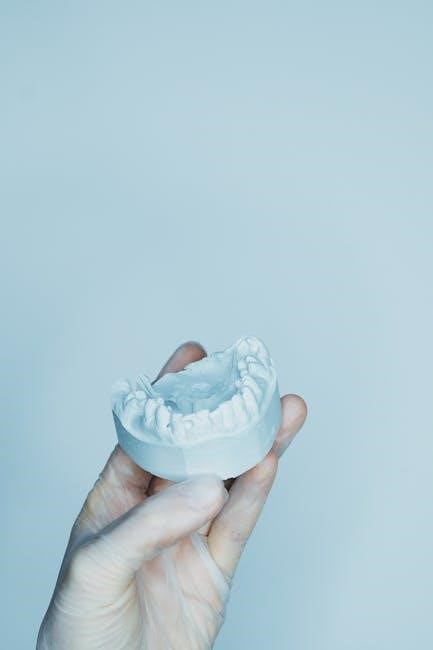
While specific fees vary between dental practices, the guide provides a standardized framework for pricing. Examinations often include oral cancer screenings, adding another layer of preventative care. Consistent check-ups, coupled with professional cleanings, are the most effective way to maintain a healthy smile and avoid the need for extensive restorative work. Early detection truly minimizes long-term dental expenses.
Dental Cleanings (Scaling & Polishing) ー Typical Range
Professional dental cleanings, encompassing scaling and polishing, are vital for removing plaque and tartar buildup that regular brushing misses. In Nova Scotia, the cost for these services generally falls within a range of $130 to $200, though individual fees can fluctuate. Several factors influence the final price, including the amount of tartar present and the patient’s overall oral health condition.
Patients who smoke or have significant staining often require more extensive cleaning, potentially increasing the cost. Those who haven’t had a cleaning in several years may also face higher fees due to increased buildup; These cleanings aren’t merely cosmetic; they’re crucial for preventing gum disease and maintaining long-term oral health. Regular scaling and polishing contribute significantly to preventing more costly dental procedures down the line.
Fluoride Treatments
Fluoride treatments represent a proactive step in strengthening tooth enamel and preventing dental decay, particularly beneficial for children and individuals prone to cavities. While specific pricing isn’t explicitly detailed in the readily available Nova Scotia Dental Fee Guide information, fluoride applications are generally considered a relatively affordable preventative measure.
The cost typically varies depending on the type of fluoride used – whether it’s a varnish, gel, or foam – and the dentist’s individual fee structure. These treatments are often recommended during routine check-ups and cleanings as an added layer of protection. Consistent fluoride application, alongside diligent oral hygiene practices, significantly reduces the risk of developing cavities and maintains optimal dental health throughout life.
Restorative Dentistry Fees
Restorative dentistry addresses damaged or diseased teeth, aiming to restore function and aesthetics. Fees within this category exhibit significant variation based on the material used, the tooth’s location, and the complexity of the procedure. Fillings, utilizing amalgam or composite resin, represent a common restorative treatment, with costs differing based on size and material – composite generally being more expensive.
Crowns, providing comprehensive tooth coverage, range considerably depending on the material – porcelain, metal, or zirconia – impacting both cost and durability. Root canal treatments, addressing infected tooth pulp, involve multiple appointments and associated fees. The NSDA fee guide provides a suggested framework, but individual dentists may adjust pricing based on their experience and overhead costs.
Fillings (Amalgam, Composite)
Dental fillings restore teeth damaged by decay, cracks, or fractures. Amalgam, a durable and cost-effective option, traditionally represented the standard filling material. However, composite resin, tooth-colored and aesthetically pleasing, has gained popularity, despite generally being a more expensive choice. The fee for a filling is directly correlated to its size and the tooth’s location within the mouth; molars, with their complex surfaces, typically incur higher costs.
While the NSDA fee guide offers suggested pricing, individual dentists may vary their fees. Factors influencing cost include the dentist’s experience, laboratory fees (for composite fillings), and any necessary preparatory work. Patients should discuss material options and associated costs with their dentist to make an informed decision.
Crowns (Porcelain, Metal)
Dental crowns, or caps, are used to restore severely damaged or decayed teeth, providing strength and improving appearance. Crowns encircle the visible portion of a tooth, effectively protecting it. Options include porcelain (tooth-colored, aesthetically pleasing), metal (durable, often less expensive), or porcelain-fused-to-metal (combining strength and aesthetics). The choice depends on the tooth’s location, function, and patient preference.
Costs vary significantly based on material and complexity. Porcelain crowns generally command a higher fee than metal crowns due to laboratory work and material costs. The NSDA fee guide provides suggested ranges, but individual dentist pricing may differ. Factors like the need for root canal treatment prior to crown placement will also impact the overall expense.
Root Canal Treatment (Endodontics)
Root canal treatment, or endodontics, addresses infection within a tooth’s pulp – the soft tissue containing nerves and blood vessels. This procedure involves removing the infected pulp, cleaning and shaping the root canals, and then filling and sealing them. It’s often necessary when decay reaches the pulp or when trauma causes damage. Without treatment, infection can spread, leading to pain, abscesses, and tooth loss.
Fees for root canal treatment depend on the tooth’s location; molars, with more roots, are typically more expensive than front teeth. The NSDA fee guide outlines suggested fees, but costs can vary based on complexity and the dentist’s expertise. Post-treatment, a crown is usually recommended to protect the weakened tooth, adding to the overall expense.
Surgical Dentistry Fees
Surgical dentistry encompasses procedures beyond routine care, requiring specialized skills and often involving incisions. Common surgical procedures include tooth extractions, particularly those deemed ‘surgical’ due to impacted teeth or complex root structures. Wisdom tooth removal frequently falls into this category, with fees varying based on the tooth’s position and difficulty of extraction.
The Nova Scotia Dental Association (NSDA) fee guide provides a framework for surgical fee structures. Simple extractions are generally less costly than surgical ones. Factors influencing the final cost include anesthesia type, the need for bone grafting, and the dentist’s or specialist’s experience. Post-operative care and potential complications can also contribute to overall expenses.
Simple Extractions
Simple tooth extractions involve removing teeth that are easily accessible and don’t require extensive surgical procedures. These are typically teeth that are not impacted, have sufficient exposure, and can be removed with standard dental instruments. The NSDA fee guide outlines suggested fees for simple extractions, which serve as a benchmark for dentists across Nova Scotia.
However, the actual cost can fluctuate based on several factors. These include the tooth’s location within the mouth – front teeth are generally easier to extract than molars – and any pre-existing conditions that might complicate the procedure. Local anesthesia is usually administered, and its cost is typically included in the overall extraction fee. It’s crucial to discuss potential costs with your dentist beforehand.
Surgical Extractions (Wisdom Teeth)
Surgical extractions, commonly associated with wisdom teeth removal, are more complex than simple extractions. These procedures often require an oral surgeon or a dentist with specialized training, as wisdom teeth are frequently impacted – meaning they haven’t fully erupted and are positioned beneath the gum line or bone. The NSDA fee guide provides suggested fee ranges for surgical extractions, categorized by the complexity of the case.
Factors influencing the cost include the tooth’s position, the amount of bone removal needed, and whether the nerve is close to the tooth. Anesthesia options, ranging from local to general anesthesia, also impact the overall expense. Post-operative care and potential complications, though uncommon, should also be considered when budgeting for this procedure. Discuss a detailed treatment plan and associated costs with your dental professional.
Cosmetic Dentistry Fees
Cosmetic dental procedures aim to improve the appearance of your teeth and smile, and are generally not covered by provincial dental programs like those offered by Nova Scotia’s Department of Health & Wellness. Consequently, patients typically bear the full cost of these treatments. The NSDA fee guide offers suggested fees, but actual prices can vary significantly based on the dentist’s experience, materials used, and the complexity of the case.
Common cosmetic options include teeth whitening and veneers. Teeth whitening costs depend on the method – in-office treatments are pricier than take-home kits. Veneers, designed to correct chips, cracks, or discoloration, involve custom-made shells bonded to the teeth, representing a more substantial investment. Detailed consultations are crucial to understand the costs and benefits of each procedure.
Teeth Whitening
Teeth whitening is a popular cosmetic procedure to brighten and enhance your smile, with costs varying based on the chosen method. In-office whitening, performed by a dentist, generally delivers faster and more dramatic results, but comes at a higher price point. These treatments utilize stronger bleaching agents and often involve specialized lighting to accelerate the process. Take-home whitening kits, available through your dentist, offer a more gradual approach and are typically more affordable.
The NSDA fee guide doesn’t specify exact whitening costs, as they depend on the dentist and the chosen system. Factors influencing price include the number of treatments needed and the type of bleaching agent used. Patients should discuss their desired level of whitening and budget with their dentist to determine the most suitable option.
Veneers
Veneers are thin shells of porcelain or composite resin bonded to the front of teeth to improve their appearance. They can correct discoloration, chips, cracks, or gaps, offering a significant aesthetic enhancement. Porcelain veneers are generally more durable and stain-resistant than composite veneers, but also more expensive. The cost of veneers in Nova Scotia varies considerably depending on the material used, the dentist’s experience, and the number of veneers required.
While the NSDA fee guide provides a framework for dental procedures, specific veneer costs aren’t explicitly listed. Expect a higher investment for porcelain veneers due to the material and laboratory work involved. A consultation with your dentist is crucial to discuss your goals, assess your suitability for veneers, and receive a personalized treatment plan with a detailed cost estimate.
Dental Programs and Financial Assistance
Nova Scotia offers bursaries for students, options to opt-out of health plans with comparable coverage, and Department of Health & Wellness programs for aid.
Nova Scotia Student Bursary for Dental Care
For Nova Scotian students pursuing higher education, financial assistance for dental care is available through the Nova Scotia Student Bursary program. This bursary aims to alleviate the financial burden associated with essential dental treatments, ensuring students can maintain their oral health while focusing on their studies.
Eligible students can receive up to $1283 per year to cover dental expenses. This substantial amount can significantly offset the costs of routine check-ups, cleanings, fillings, and other necessary procedures. The bursary is designed to supplement, not replace, other potential coverage sources, such as private insurance or family support.
Students interested in applying for the Nova Scotia Student Bursary should verify eligibility requirements and application procedures through their respective academic institutions or the official government website. Proof of enrollment and financial need may be required as part of the application process.
Opting Out of Student Health Plans
Full-time students enrolled in Nova Scotia universities and colleges often have access to comprehensive student health plans. However, students who possess sufficient and comparable dental coverage from other sources – such as parental plans or private insurance – may be eligible to opt out of these plans.
Opting out can result in a refund of the health plan fees, representing a potential cost saving for students already adequately covered. The process typically involves submitting proof of comparable coverage to the student health plan provider each academic year. This documentation must demonstrate that the existing coverage meets or exceeds the benefits offered by the student plan.
It’s crucial to carefully review the terms and conditions of both the student health plan and the alternative coverage to ensure a seamless opt-out process and avoid any gaps in dental insurance protection throughout the academic year.
Department of Health & Wellness (DHW) Dental Programs
The Nova Scotia Department of Health & Wellness (DHW) offers several dental programs designed to improve access to oral healthcare for eligible residents. These programs operate with a negotiated tariff of fees established jointly between the DHW and the Nova Scotia Dental Association (NSDA), ensuring standardized pricing for covered services.
The DHW Dentists’ Guide, version 1.0 (June 2024), outlines the specifics of these programs, including eligibility criteria, covered services, and the applicable fee schedule. This guide serves as a vital resource for dentists participating in DHW programs, ensuring consistent billing practices.
These programs aim to support vulnerable populations and promote preventative dental care, contributing to overall health and well-being within the province. Understanding the DHW programs is essential for Nova Scotians seeking affordable dental treatment options.
Coordination of Benefits: CDCP and Nova Scotia Programs
Navigating dental coverage in Nova Scotia can involve coordinating benefits between the Canadian Dental Care Plan (CDCP) and existing provincial programs offered by the Department of Health & Wellness (DHW). The CDCP’s reimbursement for services provided by independent dental hygienists adheres to the Plan’s specific terms and conditions.
Effective coordination is crucial to avoid overpayment or duplication of benefits. The DHW Dentists’ Guide addresses the coordination of benefits, ensuring clarity for practitioners submitting claims under multiple plans. Understanding how these programs interact is vital for both patients and dental professionals.
Eligible dental services must meet the criteria of both the CDCP and any applicable Nova Scotia program to receive full coverage, maximizing benefits for Nova Scotian residents seeking affordable dental care.

Factors Influencing Dental Costs
Dental costs in Nova Scotia vary based on patient habits—like smoking and staining—geographic location, and the dentist’s experience and specialized skills.
Patient-Specific Factors (Smoking, Stain Levels)
Individual oral health significantly impacts dental costs in Nova Scotia. Patients who smoke often require more extensive and frequent cleanings due to increased plaque and tartar buildup, leading to higher fees. Similarly, the presence of significant staining – from coffee, tea, or tobacco – necessitates more thorough scaling and polishing procedures.
Happy Smiles Dental Hygiene in Dartmouth notes that cleanings typically range from $130 to $200, but this price can increase for individuals with substantial staining or those who haven’t had a cleaning in several years. These factors demand more of the dental hygienist’s time and expertise, directly influencing the overall cost of treatment. Therefore, maintaining good oral hygiene and limiting staining agents can help manage dental expenses.
Geographic Location within Nova Scotia

While the Nova Scotia Dental Association (NSDA) provides a suggested fee guide, actual dental costs can vary across the province. Factors like overhead expenses – including rent, staffing, and utilities – differ between urban centers like Halifax and more rural communities.
Dentists in areas with higher operating costs may adjust their fees accordingly. Accessibility to specialists can also play a role; limited specialist availability in certain regions might translate to higher fees for specialized procedures. Though the NSDA guide offers a benchmark, patients should anticipate potential price differences depending on the dentist’s location within Nova Scotia. It’s prudent to inquire about fees upfront, regardless of where you seek dental care.
Dentist’s Experience and Specialization
A dentist’s level of experience and any specialized training significantly influence treatment costs within Nova Scotia. General dentists typically charge fees aligned with the NSDA suggested guide for common procedures. However, specialists – such as endodontists (root canals) or oral surgeons (extractions) – often command higher fees reflecting their advanced expertise.
Years of practice can also impact pricing; more experienced dentists may charge a premium based on their proven track record and skill. Furthermore, dentists investing in continuing education and advanced technologies may factor these costs into their fees. Always discuss the dentist’s qualifications and the complexity of your specific case to understand the associated expenses fully.